
Every place has a purpose. We help you find it and make it tangible.
We use Design Anthropology to give that place purpose, value and meaning. Design anthropology connects business strategy, identity and design with customer value and values to generate greater economic and social benefit.
Design is what we make.
Anthropology is how we understand the human cultures, values, contexts and past experiences that drive customer choices.
Design Anthropology helps us figure out what we should make and why, by translating human values into tangible experiences for tomorrow’s customers.
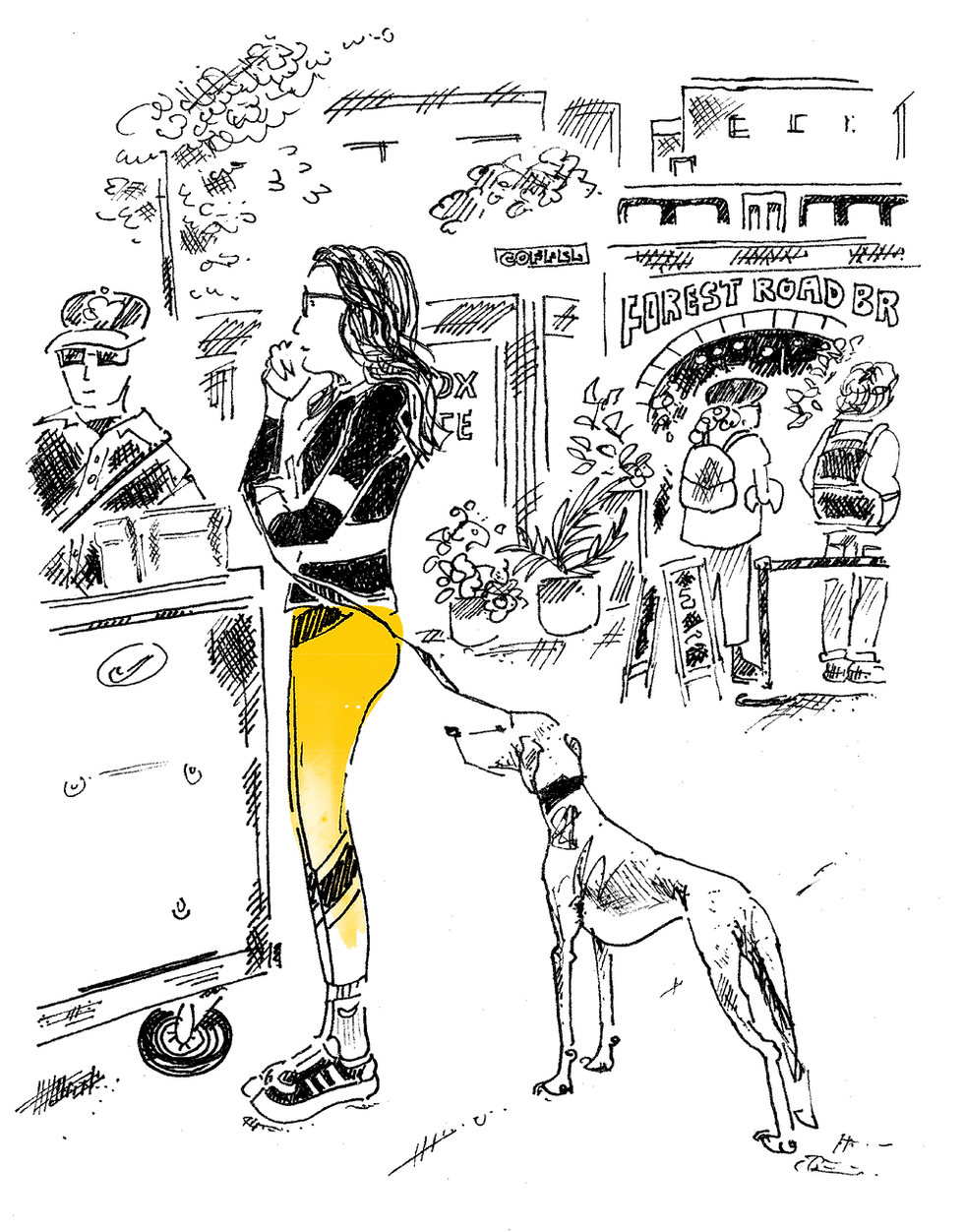
Places need to do more for people and business.
We work alongside architects, urbanists, designers, engineers & consultants, applying a critical social science, design and commercial lens to work out how best to create meaningful, emotional and memorable interactions among people, spaces, places, businesses and the environment.
We do this by translating human, social and business values, needs, wants and expectations into commercially viable and desirable products, services and experiences.
We give you practical strategies and tools that help you navigate and make decisions through complexity with purpose and clarity.
To compete today, you need to win in two, key areas:
Innovation
Finding and releasing new value for owners, occupiers and visitors
Identity and Experience
How to make places loveable and meaningful

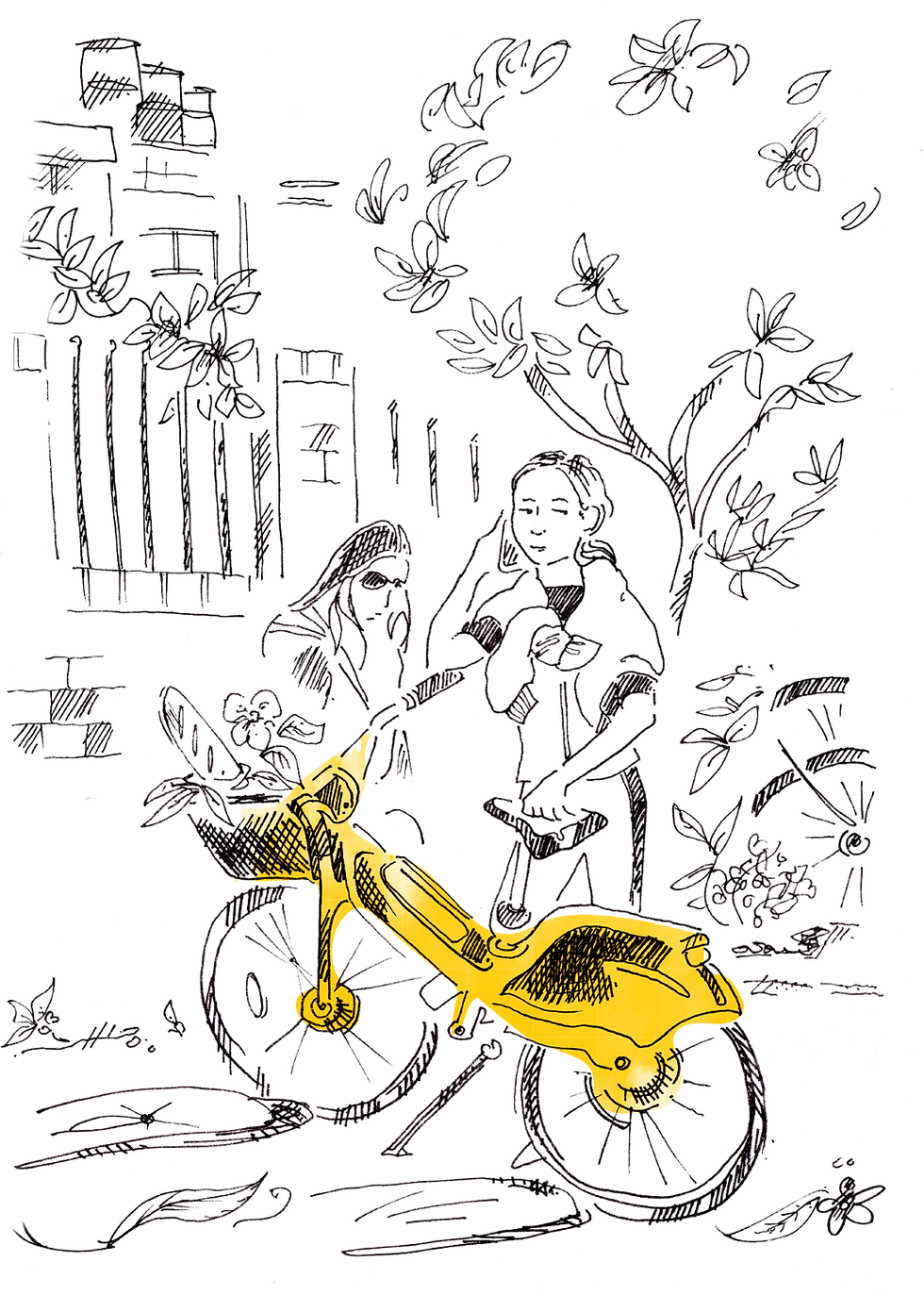
We bring human truths to the table, allowing imagination to flourish.
We specialise in using social science methods to understand, frame each project. This means we can dig into the culturally relevant drivers of behaviour instead of relying on hypotheses and assumptions of why people like and do what that do.
Below are both how we think and the types of outputs we create. These are our tools for thinking, design and planning. Each business and project is different so we tailor services to match you and your clients need and the opportunity.
We start with contextual research to understand a places history, culture, environment and surrounding context. We want to know how the people who will support and use the place see the world. We look for the connections between this context and your businesses and project goals. This is where we identify the tangible and intangible things that can make your project successful. This informs and drives all design decisions and ensures the overall master plan integrates seamlessly with it's surroundings.
Create experience maps and scenarios that visualise how customers will interact with an environment and anticipate different scenarios and customer behaviours. This helps steer all design decisions and identifies opportunities and challenges early in the design process. It supports internal and external partners to discuss, share and facilitate a shared understanding. It is particularly useful for negotiating before things become hardwired into plans.
A customer only see the total experience. They expect everything to work together. Our approach ensures that customers have a unified experience from when they first think about visiting your place to returning home. We define the desired experiences across various touchpoints, including physical spaces, digital interfaces, services and amenities. This framework will encompass both functional and emotional aspects of the customer journey. This approach results in identifying the nature of each interaction and how to leverage each to align with customer needs and commercial realities.
More and more we are cyborgs in how we live life. Technology is so deeply embedded we must explores how best to integrate technologies to deliver on your organisations and project outcomes. Artificial Intelligence. IOT, Digital Twins, immersive media, augmented reality and data analytics are can be harnessed to enhance customer experience, improve, operational efficiency and gather valuable insights that can be used for planning and ongoing management and redesign.
All design is about making a proposition about how we want the future to be. Knowing what to change, when and why relies on a range of data types collected over time. We Make Progress takes a value and values approach to understanding how to measure the tangible and intangible outcomes. By establishing KPI's and metrics early one and based on evidence, we aim to measure success in delivering intended experiences and achieving strategic objectives. Regular evaluation and monitoring helps to identify areas for improvement and optimisation.
Our tools
A structured session led by We Make Progress to identify potential additional value in a client brief and how to make this tangible.
Research with you, your leaders and experts in your network combined with desk research to create content you can use to start conversations and promote and grow your business.
We craft strategies that link and blend design, architecture, and engineering, creating irresistible propositions deeply rooted in human needs and values. The job of an experience strategy is to set and guide all partners to deliver on a shared vision. Think of the experience vision as the projects North Star.
Human Centred Design is quickly loosing relevance to a more holistic approach to design, one that includes people, place and planet. Working with you we can identify and define capabilities to help your teams adopt our approach to help you have client conversations that bring you closer to defining the brief.
Our services

Chris Hayward
With over 20 years of experience, Chris specialises in applied and academic design anthropology, product, service, and experience design, focusing on strategic research and experience strategy. His expertise lies in ethnographic research, anthropology, material culture and strategic design, helping organisations unlock new value by transforming place-based and digital futures.
Chris has led numerous complex projects across a wide range of industries, including aviation, sport and entertainment, workplace, digital transformation, digital government, pharmacy workforce digital capability, metaverse strategies, community development, academia, and large-scale public realm architecture and destination strategies.
His work has delivered impactful solutions for global brands, government agencies, and non-profit groups, spanning Asia, the Middle East, Europe, Oceania, and North America.
Simon Jordan
Simon is a Creative Strategist and business leader, with a 30-year career spanning senior and board level roles in advertising, design, architecture and urbanism. Operating at the intersection of design, innovation, creativity and business strategy, Simon has worked on multiple design initiatives for world-class brands and institutions, creating places and spaces that better satisfy the communities they serve.
In 2001 Simon co-founded interdisciplinary design and architecture practice Jump Studios working with clients as diverse as Nike, Google, o2/ Telefonica, The Science Museum, Fidelity, Saatchi & Saatchi and Rapha. He oversaw the acquisition of Jump Studios by global sport and entertainment giant Populous in 2015, later exiting to pursue new challenges and opportunities reflecting emerging trends in how we shape our cities and place.
We work with you to win in both, mitigating risk and establishing competitive edge.
Our role is to apply a critical and commercial lens to the emergent social and cultural developments, crafting strategies and helping you navigate uncertainty and complexity. We call it Design Anthropology.